Antimony
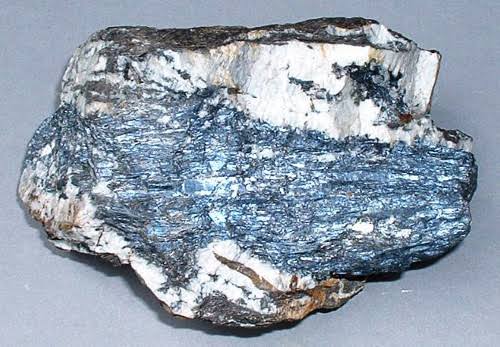
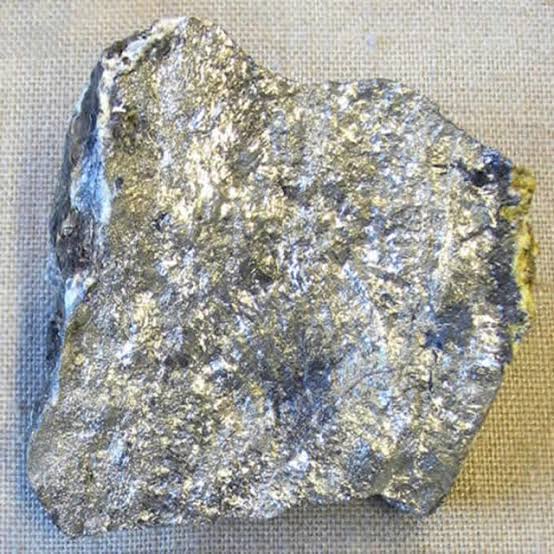
Antimony: A Strategic Mineral at the Centre of Global Industry
Antimony sits at the intersection of defence, energy storage, electronics and advanced manufacturing — making it one of the most closely watched critical minerals in the world today. Its flame-retardant, alloy-strengthening and semiconductor properties give it demand across sectors that rarely move in the same cycle, offering a natural hedge against single-industry downturns.
Where the Demand Comes From
- Flame Retardants — the largest demand driver (~50–60% of use). As antimony trioxide, it is the industry standard for reducing flammability in plastics, textiles, electronics housings, construction materials and cable insulation. Regulatory fire-safety standards across major markets continue to sustain this as the single largest source of demand.
- Lead-Acid Batteries — Antimony hardens and strengthens battery plates, improving durability and corrosion resistance. It remains essential to automotive, industrial and backup power battery manufacturing — a sector with steady, non-discretionary global demand.
- Metal Alloys — Used to strengthen soft metals such as lead and tin, with applications spanning bearings, solder, pipes, sheet metal and ammunition components — industrial demand that is broad-based and recurring.
- Semiconductors & Electronics — A component in infrared detectors, diodes and thermoelectric devices, linking antimony directly to the growth of the electronics and defence-technology sectors.
- Glass & Ceramics — Improves clarity and quality in high-grade glass manufacturing and ceramic glazing — a steady, specialty-industrial demand base.
- Military & Strategic Applications — Classified as a critical mineral due to its role in ammunition primers, military alloys, flame-resistant materials and night-vision/infrared technology — placing it directly within national strategic stockpiling interests.
- Pigments & Paints — Used to produce bright yellow and orange pigments across paint, plastics and rubber manufacturing.
Why It's Classified a Critical Mineral
Given its role across defence, energy storage and flame-retardant applications, antimony is formally designated a strategic or critical mineral by bodies including the United States Geological Survey and the European Commission — a classification that typically correlates with sustained government and industrial buying interest.
Market & Pricing Snapshot
| Grade | Indicative Price |
|---|---|
| Antimony metal (99.85% purity) | ~$10,000–$12,500 per metric ton (spot) |
| Antimony ingot, late-2025 average | ~$20,000–$21,000 per tonne |
| 2024–2025 peak (supply-constrained markets) | $40,000–$60,000 per tonne |
Pricing varies by supplier, purity, quantity and contract terms; premium compounds such as antimony trioxide are typically quoted separately and often require subscription-based market access (e.g. Shanghai Metals Market).
What Drives the Price
- Supply concentration — approximately 80–90% of global output originates from China and a small number of other producers, making the market highly sensitive to export policy.
- Trade & geopolitics — export restrictions in 2024–2025 triggered significant price volatility and sharp upward spikes outside China.
- Purity & form — high-purity metal and specialised compounds command substantial premiums over standard industrial grades.
This combination of concentrated supply and diversified, non-cyclical demand is what underpins antimony's investment case: tight supply meeting broad-based, strategically important demand.
Zimbabwe's Antimony Base
Zimbabwe is an established antimony-producing jurisdiction, with active mining in Kwekwe, Bubi, Mberengwa, Kadoma and Shurugwi.